
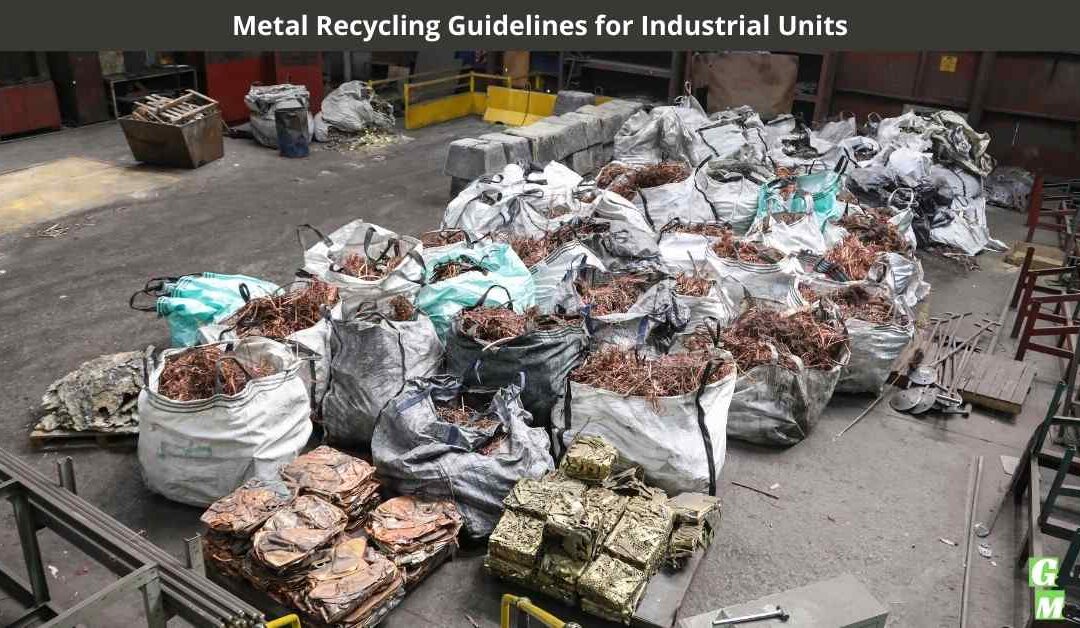
If you run an industrial unit, chances are you generate a fair bit of metal waste—scrap steel, aluminium offcuts, copper wiring, and more. Proper recycling isn’t just about keeping your workspace tidy; it’s about safety, efficiency, and contributing to a greener Australia. But with so many metal types and recycling rules, it can get a little confusing. That’s why we’ve put together this practical guide to help industrial operators manage metal recycling the right way.
Why Metal Recycling Matters for Industrial Units
Metal recycling isn’t just good for the environment—it can save you money too. Scrapped metal is a valuable commodity. When you sort and recycle it correctly, you can reduce disposal costs, reclaim resources, and even earn extra revenue by selling scrap to a reputable metal recycling service.
Plus, proper recycling reduces landfill waste and lowers your industrial unit’s carbon footprint. In Australia, where industries are under increasing pressure to follow sustainability standards, staying on top of metal recycling isn’t optional—it’s smart business.
What Types of Metal Can Industrial Units Recycle?
Industrial metal waste comes in many forms. Some common types include:
- Ferrous metals: Steel and iron are the most common. They’re magnetic and usually easy to separate.
- Non-ferrous metals: Aluminium, copper, brass, and stainless steel. These are often more valuable than ferrous metals.
- Electronic metal waste: Copper wiring, circuit boards, and components from machinery.
Knowing the difference is crucial. Non-ferrous metals generally fetch a higher price at recycling centres, while ferrous metals are abundant and widely accepted.
How Should Industrial Units Prepare Metal for Recycling?
Preparation is key to making metal recycling efficient and profitable. Here’s what industrial units should do:
- Sort metals by type – Keep ferrous and non-ferrous metals separate. This makes it easier for recycling centres to process and ensures you get the best price.
- Remove contaminants – Dirt, oil, plastics, and rubber can reduce scrap value and may violate recycling rules.
- Cut or compact large pieces – Heavy or oversized metal scraps can be tricky to transport. Cutting or bundling them helps.
- Label hazardous items – Some industrial metals or components contain chemicals (like lead, cadmium, or mercury). Clearly label these to avoid safety issues.
Even small steps like sorting by metal type can make a big difference in efficiency and profitability.
Are There Legal Guidelines for Industrial Metal Recycling?
Yes, Australia has regulations that industrial units must follow. These include:
- Environmental Protection Laws – Dispose of metals in a way that prevents pollution.
- Workplace Health and Safety – Ensure staff handling metals wear protective gear and follow safe lifting practices.
- Record Keeping – Some states require documentation of large scrap metal sales or transfers, particularly for high-value metals like copper.
Working with licensed metal recyclers ensures you meet these requirements without adding extra stress to your operations.
How Can Industrial Units Choose the Right Metal Recycling Service?
Picking the right partner can make recycling effortless. Look for a service that:
- Accepts a wide range of metals (ferrous, non-ferrous, and electronic scraps).
- Offers on-site collection or flexible drop-off options.
- Provides clear pricing and prompt payment.
- Complies with all local regulations and has proper licensing.
A good recycler doesn’t just take your scrap—they help you streamline your waste management process and even advise on ways to maximise your returns.
Tips for Streamlining Your Metal Recycling Process
- Set up designated scrap areas in your facility for easy sorting.
- Train staff to identify metals and remove contaminants before collection.
- Schedule regular pick-ups to prevent pile-ups that can block work areas.
- Keep a log of types and quantities of metals recycled—this can help with audits and optimise future recycling efforts.
Even small organisational steps can improve efficiency and reduce costs.
Recycling metal from your industrial unit doesn’t need to be complicated. With proper sorting, preparation, and a reliable recycling partner, you can turn waste into a valuable resource, stay compliant with regulations, and make a real impact on sustainability. It’s a win for your business, your staff, and the environment.
Now we provide our metal recycling service in Wollert Victoria 3750.
Contact Us
Galaxy Metals
9 Mezzo Walk, Greenvale VIC 3059
0413 176 223

Recent Comments