
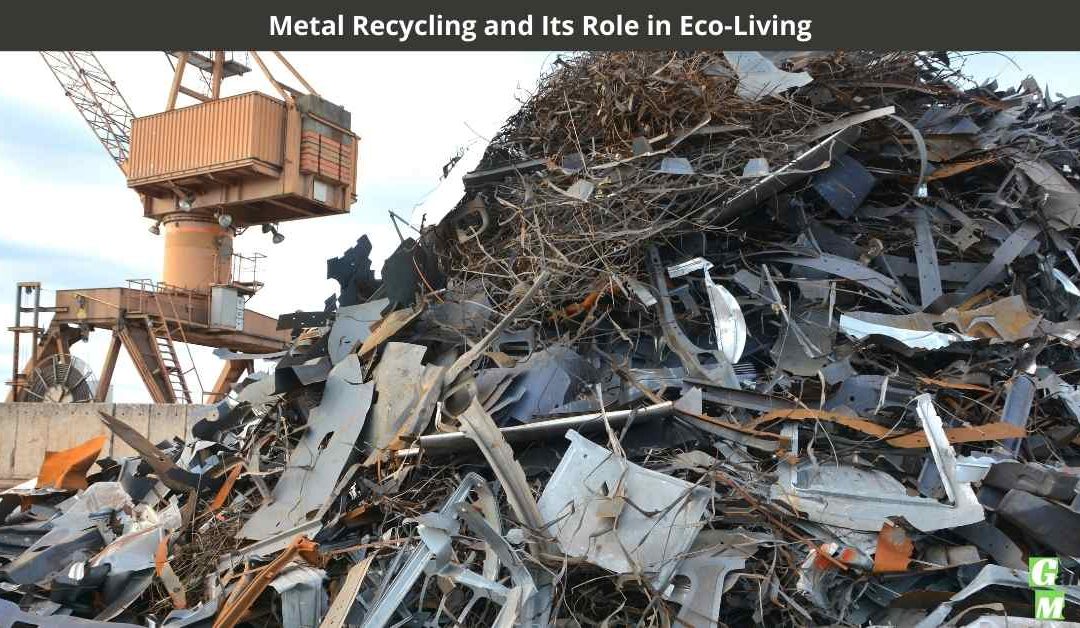
If you’ve ever wondered what happens to your old car, scrap steel, or damaged appliances after they leave your driveway, here’s the short answer: most of it can be recycled and turned into something brand new.
Metal recycling is one of the simplest and most powerful ways Australians can live more sustainably. It saves energy, reduces landfill, cuts mining demand, and keeps valuable materials in circulation. And if you’re in the car removal or automotive space like we are, you see firsthand how much reusable metal would otherwise go to waste.
Let’s break it down in plain English.
What Is Metal Recycling?
Metal recycling is the process of collecting, sorting, processing, and reusing metal materials so they can be turned into new products instead of being dumped.
Common recyclable metals include:
- Steel
- Aluminium
- Copper
- Brass
- Lead
In the automotive industry, nearly every vehicle is packed with recyclable metal. A standard passenger car is made up of roughly 65–70% steel and iron. That’s a huge opportunity for reuse.
When a vehicle reaches the end of its life, professional car removal and scrap services dismantle it. Fluids are drained safely. Usable parts are removed. The remaining metal body is crushed, shredded, sorted, and sent to smelters where it becomes raw material again.
It’s not waste. It’s a resource.
Why Is Metal Recycling Important for Eco-Living?
Eco-living isn’t about being perfect. It’s about making smarter choices that reduce environmental impact. Recycling metal is one of those smart choices.
Here’s why it matters:
1. It Saves Massive Energy
Recycling metal uses significantly less energy than producing new metal from raw ore.
For example:
- Recycling aluminium uses up to 95% less energy than making it from bauxite.
- Recycled steel uses about 60–74% less energy compared to producing new steel.
Less energy use means fewer greenhouse gas emissions. That’s good news for Australia’s climate goals and for everyday households wanting to reduce their footprint.
2. It Reduces Mining and Land Destruction
Mining isn’t just digging holes. It involves heavy machinery, land clearing, water use, and transport emissions.
By recycling metals already in circulation, we reduce the need for new mining operations. That protects landscapes, habitats, and natural resources.
3. It Keeps Waste Out of Landfill
Metal doesn’t break down like food or paper. It sits in landfill for decades.
Scrap yards and recycling facilities prevent thousands of tonnes of metal from being buried every year. In the car removal industry, end-of-life vehicles are one of the biggest contributors to scrap metal recovery.
Instead of rusting away in someone’s backyard, an old car can become part of a new building, train line, or even another vehicle.
How Does Metal Recycling Work in Australia?
Australia has a well-developed scrap and recycling network. When you sell your unwanted car to a licensed recycler, the process usually looks like this:
- Collection – The vehicle is picked up, often for free.
- Depollution – Oils, coolant, fuel, and batteries are removed safely.
- Parts Recovery – Usable components are resold or reused.
- Crushing and Shredding – The remaining metal is processed.
- Sorting – Magnets and advanced systems separate steel, aluminium, and other metals.
- Melting and Reuse – The metal is melted and formed into new products.
Regulated bodies such as the Australian Government and the Department of Climate Change, Energy, the Environment and Water set environmental standards that guide responsible recycling practices.
That means when you choose a professional metal recycler, you’re supporting a regulated, environmentally managed system.
What Types of Metal Can Be Recycled?
Short answer: almost all of it.
Metals are grouped into two main categories:
Ferrous Metals (Contain Iron)
- Steel
- Cast iron
These are magnetic and commonly found in car bodies, chassis, and structural components.
Non-Ferrous Metals (No Iron)
These are more valuable per kilogram and widely used in wiring, radiators, engines, and batteries.
One of the best things about metal? It can be recycled over and over again without losing its strength or quality. That makes it one of the most sustainable materials on the planet.
How Does Metal Recycling Support the Car Removal Industry?
In the automotive and car removal industry, recycling isn’t just a side benefit, it’s the foundation of the business.
When someone calls us to remove a scrap car, they’re not just clearing space in their driveway. They’re contributing to a circular economy.
Here’s how:
- Old engines get dismantled for reusable components.
- Gearboxes, alternators, and panels can be refurbished.
- The remaining shell is recycled into new steel products.
- Batteries are processed separately to recover lead.
Instead of sending the whole vehicle to landfill, nearly 80–90% of a car can be recycled or reused.
That’s eco-living in action. No complicated lifestyle change required.
Can Recycling Scrap Metal Really Make a Difference?
Yes, and it already does.
Globally, recycled steel makes up a significant portion of new steel production. In Australia, construction, infrastructure, and manufacturing sectors rely heavily on recycled metal.
Think about everyday items:
- Building frames
- Railway tracks
- Household appliances
- Car parts
There’s a good chance recycled metal was used to make them.
When individuals choose to sell their scrap vehicles or metal responsibly, those small decisions add up across cities and communities.
What Can You Do as a Car Owner?
You don’t need to run a recycling plant to make an impact.
Here are simple steps:
- Don’t let an unwanted car sit and rust.
- Choose licensed, environmentally responsible recyclers.
- Ask how fluids and hazardous materials are handled.
- Recycle batteries and metal parts properly.
If your vehicle is no longer roadworthy, damaged, written-off, or simply unused, selling it to a metal recycler is often the most eco-friendly option.
You’ll clear space, earn cash, and reduce environmental impact all at once.
The Bigger Picture: Metal Recycling and a Circular Economy
Eco-living isn’t just about solar panels and reusable coffee cups. It’s about systems.
Metal recycling supports what’s called a circular economy, where materials stay in use for as long as possible. Instead of the old “take, make, dispose” model, we move toward “use, recover, reuse.”
For the automotive sector, this shift is critical. With millions of vehicles on Australian roads, responsible end-of-life processing makes a serious difference.
Every scrapped vehicle becomes raw material for something new. That’s smart resource management. And it’s something our industry can be proud of.
Old metal doesn’t have to mean waste. It can mean opportunity. Whether it’s a scrap car, damaged ute, or leftover steel from a project, recycling keeps valuable materials in circulation and reduces strain on the planet. Small actions, like choosing a responsible metal recycler, play a real role in building a cleaner, more sustainable Australia for the long haul.
Now we provide our metal recycling service in Coolaroo Victoria 3048.
Contact Us
Galaxy Metals
9 Mezzo Walk, Greenvale VIC 3059
0413 176 223

Recent Comments